Video clip by kind permission of Barney Nicholls, Portscatho
Roseland Marine Group
The Roseland Marine Group was formed as part of REACT in early 2024 as a direct consequence of the seaweed farm applications for Gerrans Bay. While not opposed to seaweed farming in principle, REACT felt that the proposals were much too large and unregulated and presented a risk to the beauty and the ecology of Gerrans Bay. The group was therefore formed to develop a position and a contingency plan in case similar proposals were made in the future. Later the group merged with the Wild Roseland Marine Group and absorbed its members, expertise and activities into the wider group.
Roseland Marine Group's Mission Statement:
To promote and improve marine health around the Roseland, and protect it from exploitation through improved knowledge, activities and local engagement.
In order to achieve this aim, we have five objectives we would like to achieve over the next five years, as follows:
- Enhanced protection status for the inshore marine environment around the Roseland
- Evidence, contacts and power to stop exploitative ventures (including large-scale fishing) and to support appropriately-scaled, productive uses of natural resources that do not compromise the environment
- Evidence-based knowledge of boat mooring damage and disturbance and, where needed, adoption of environmentally-friendly mooring practices
- Mapped and quantified natural resources (fauna, flora, sea water quality), including changes over time
- Investment in and engagement of locals and visitors through awareness and involvement such that we are an exemplar of nature recovery and community engagement.
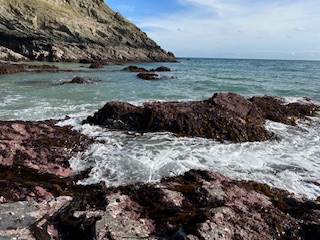
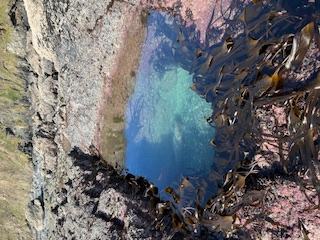
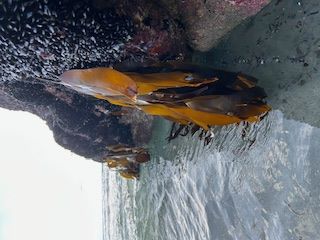
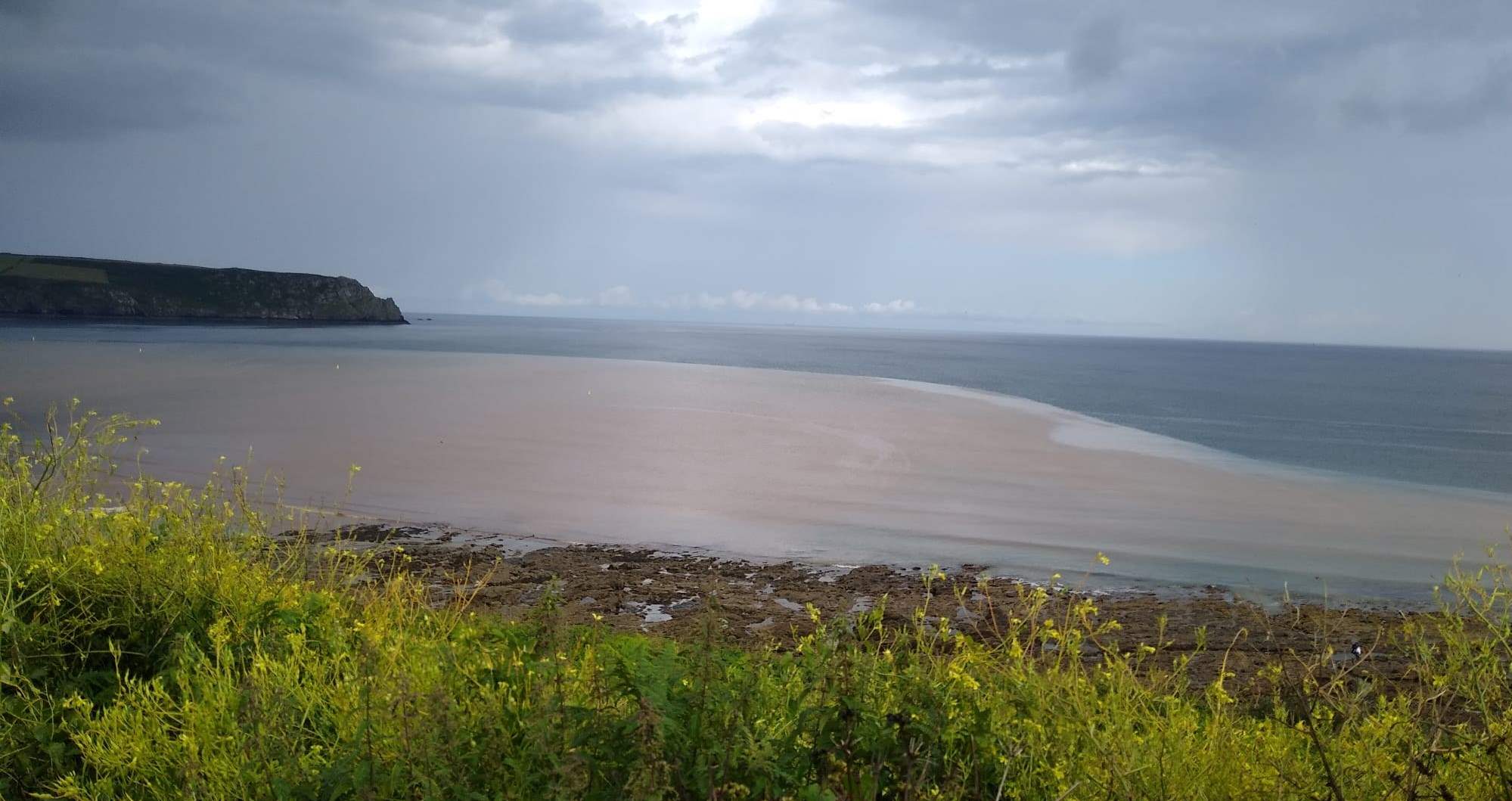
The geographical remit of the group now covers the complete tidal shoreline and inshore waters around the Roseland from West Portholland around St Anthoy’s Head and past St Just to Ruan Lanihorne, thus including part of Veryan Bay, Gerrans Bay and part of Falmouth Bay. This area includes ecologically important habitats such as seagrass and maerl, as well as resident seal populations and visiting dolphins. It is well used by locals and visitors for swimming, sailing and paddleboarding as well as by local fishermen. Threats to the Bay include pollution from sewage and runoff, scallop dredging and bottom trawling, over-fishing and the potential for poorly regulated commercial activities. The area is included within the Falmouth Bay to St Austell Bay Special Area of Protection for three bird species (black-throated divers, great northern divers and Slavonian grebes), but otherwise has no protection for other marine species.
The Group meets regularly and is working with other environmental and marine groups with a similar outlook such as Three Bays Wildlife Group, the Fal and Helford Special Area of Conservation, the St Mawes Harbour Conservation Trust, the Ocean Conservation Trust, the National Trust and Cornwall Wildlife Trust, as well as with REACT’s Water Quality group. We welcome new members, who need no qualification apart from enthusiasm.
Barry Pound, Chair
Want to get in touch ? Please fill in the form below.